Chronic Sore Throat Virus

Do you have a chronic sore throat infection that persists for months, or even years?

There is an infectious respiratory virus currently going around which usually causes the following symptoms (you may not have all of them):-

EARLY SYMPTOMS (first few weeks):-

Chronic Sore Throat that never fully heals.
Constant Stuffy / Congested Nose with unusually thick mucus.

ADDITIONAL SYMPTOMS (appear after a few months):-

Depression and low mood.
Generalized Anxiety, which can get VERY extreme.
Powerful Psychological Changes and cognition disruptions.
Loss of Desires and sense of pleasure (anhedonia); loss of libido.
Social Withdrawal – escaping social activities more and more.
Loss of Drive and motivation (athymhormia).
✔ Memory Problems, both short-term and long-term recall.
Unusual Sleepiness and a tendency to fall asleep more.
Chronic Fatigue and loss of energy.
Stomach Ache and Pains, with stomach / bowel rumbling.
Pins and Needles (persistent paresthesia), especially in legs.
Receding Gums and a sudden onset of periodontal disease.

LATER SYMPTOMS (appear at approximately 12 to 18 months):-

Slight Wrinkling of the Skin with unusual, fine-textured wrinkles.
Weak Legs and hips: legs and hip girdle feel loose.
Loose Joints, as if the ligaments are becoming weak.
Subtle Loss of Hearing Acuity in identifying sounds.
Progressive Hearing Loss in elderly, sometimes only in one ear.
Less Frequently: tinnitus; blurred vision; joint pains.

This virus also causes immuno-compromised states, so secondary opportunistic infections will arise more frequently once someone has this chronic sore throat virus. This is a persistent virus, and once caught, it does not seem to resolve, just like the unresolved infections found in chronic fatigue syndrome (CFS). This chronic sore throat virus gradually transmits from person-to-person through normal household contact, so once one person has it at home, most other household members will catch this virus within a year. This chronic sore throat virus has a very rapid incubation period – often taking less than 8 hours from time you catch the virus, to the point when the first symptoms appear (after which the fever lasts 1-2 days).

The identity of this virus has not yet been determined, so for our purposes here, we are calling it the “chronic sore throat virus“.

A few people have left comments on this site (see below), saying that they have already heard by word of mouth that there is “a nasty virus out there“.

Here is my account of how I caught this chronic sore throat virus, and how it gradually began infecting my whole body.

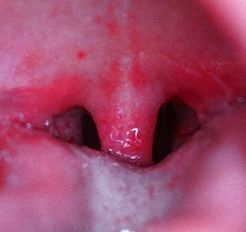
This infection began with a bad sore throat that I caught several years ago. Being in excellent health at that time, I thought nothing of it. My soft palette at the back of my throat was red and inflamed (this is called herpangina), but there was no pain, and no rash or blisters, so I paid little attention to it. Several weeks later, though, I noticed that my sore throat had not cleared up, and instead, the infection started spreading.MARGIN top, right, bottom, left, Chronic Sore Throat, Constant Stuffy Nose, Anhedonia This was weird, because I am very healthy, HIV negative, with no previous medical problems. Usually I fight off colds and infections very quickly. Yet this sore throat would not go away.

Within a month, this chronic sore throat virus had spread to my nose, which started producing unusually thick and heavy mucus. The nose thus becomes blocked and stuffy, and must be regularly cleared of this thick mucus every hour or so. (This thick nasal mucus congestion is now a permanent symptom). A constant stuffy nose like this is classified as chronic rhinitis, or post nasal drip, or rhinorrhea.

Next my lungs became infected, leading to a chest infection and a dry cough. Soon after this, the virus reached my stomach, which started aching a little and produced gas and bubbling sounds, which created some belching (my rumbling, aching stomach is also a permanent – but thankfully intermittent – symptom). The virus also spread to my intestines, where it also produced gas (flatulence), rumbles and bowel bloating (now a permanent symptom).

After another month, this viral infection manifested a distinct new phase: intense mental state changes suddenly appeared. These disturbing psychological symptoms started with a feeling of being very tense, generally anxious and uncomfortable, especially with people (even with friends and family). I became very weak mentally. My strength of mind rapidly disintegrated, and in particular, I became very frail and feeble emotionally. Other people seemed to perturb my mind, so it became quite unpleasant to socialize.

As a result of these psychological changes, I started avoiding social contact more and more, just because I found it a mental strain to be with people, even if they were good friends. Avoiding company made me lonely, yet being with people caused severe tension. This extreme general anxiety made it impossible for me to continue to go to work, so I left my job.

Additionally, just reading or listening to facts and ideas created strong tensions in my mind, as I tried to process the information. So it seemed I could not cope with structured information very well either, even from a book, television or radio. This is more or less psychosis. As a coping strategy, I limited my time with people and information to help reduce this unpleasant mental tension.

Then I quickly became very apathetic. The apathy was towards all sorts of tasks and activities. My normal pro-active ‘can do’ attitude was replaced by a ‘not interested’ feeling – totally out of character. I am normally a motivated, enthusiastic and highly-organized person. However, as this infection and its psychological effects progressed, I began to lose interest in the usual pleasures of life (a condition called anhedonia), including pleasure from sex. There was also a large loss of libido. Furthermore, much of my enthusiasm, drive and motivation just evaporated away (a condition called athymhormia). I also experienced some short-term memory difficulties, and ability to concentrate which caused problems in my day-to-day activities. There was some intelligence loss, particularly in my verbal, spelling and grammatical skills, and I found it a lot harder to recall words, names and other information from my long-term memory. In fact, I found myself becoming less articulate, often mispronouncing words, and forgetting names.

Additionally, my physical body movements started getting a little more clumsy; I seemed to become physically less coordinated.

To sum up, psychologically, I became: anxious, depressed, avoiding social contact, unmotivated, emotionally delicate, confused, forgetful, clumsy, uncoordinated, with a dulled intellect, decreased verbal intelligence, and an impaired memory.

In certain people (but not in my case) this virus caused uncharacteristic and irrational outbursts of aggression in addition to the above.

(As an aside, these symptoms make me wonder whether a virulent virus such as this one may be responsible for the recent worldwide rise in autism and schizophrenia, since its psychological manifestations relate to these conditions. Certainly, a lot of previously normal people that caught this same virus have reported that their “mind is definitely not functioning right”. And when this virus hits a whole family, sometimes, as a result of the mental changes, a parent can display a permanent loss of loving feeling towards their children, and become more emotionally distant from their children; family relations in general turning to a more cold pragmatism. People with this virus often start to avoid social contact, becoming less interested in other people, and being reluctant to socialize.)

The next symptoms I experienced were more and more fatigue and sleepiness (hypersomnia). I seemed to fall asleep all the time, even when I was not that tired. Perhaps this virus has affected the area of the brain that controls sleep (the hypothalamus). As this sleepiness and fatigue progressed, I wondered if my condition could be classed as chronic fatigue syndrome (also called myalgic encephalomyelitis). There was also a large loss of appetite.

Four months after first catching this virus, a pins and needles or skin crawling sensation began to appear, first in my legs, but quickly spreading to all my body. There were constant sharp prickling sensations everywhere, which felt like they were located just beneath my skin; these prickling sensations felt like lots of tiny bites, or tiny needle pricks. The severity of this prickling sensation varied from one day to the next. Sometimes the pins and needles would disappear for a week, but always return before long. These type of sensations are called paresthesias, and in my case, this was chronic paresthesia. In addition, a mild sense of numbness in the limbs also appeared.

The next set symptoms to arise were a loss of taste and smell. In the case of the loss of smell (called anosmia): some weeks this would return a bit, but then the next week it would more or less disappear again. (It continued in these up-and-down cycles for two years. However, after several years, my olfactory capabilities have slowly improved, but have still not returned to their original form.)

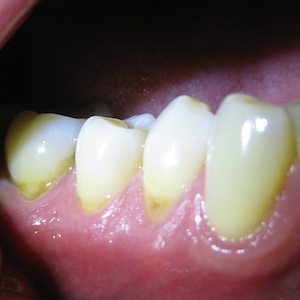
My oral health was then affected: my gums, previously extremely healthy and pink, began receding quite noticeably. Lots of brown plaque was suddenly deposited on my previously white teeth.MARGIN top, right, bottom, left, Receding Gums Periodontal, Anhedonia No matter how much I brush it away, the plaque still comes back. Along with this increased plaque formation, and in spite of frequent tooth brushing, new dental carries suddenly appeared. Previous to this, my oral health was excellent. Therefore, it seems I developed periodontitis within a matter of months. This gum disease may be a manifestation of the immune-weakening effect this virus creates in the body, allowing bacteria to thrive and colonize the oral region. In addition, gum tissue can be directly attacked by tissue-dissolving enzymes created by viruses such as Epstein-Barr (we will come back to this later). This sudden-onset of periodontal disease is quite worrying.

After this, I noticed my vision began to deteriorate. So I had my eyes tested; there was nothing wrong with my eyes or my ophthalmic prescription. My vision seemed “muddy”, rather than optically blurred. For example, looking at say black text on a white page or screen, the letters are focussed, yet are slightly “smudged” and muddied by the white background. I also noticed I could not distinguish subtle changes of shade or color so well. My vision became similar to what you see when you turn up the image contrast on a computer or television: bright yet lacking the shades of detail. (Loss of visual contrast sensitivity is often caused by toxins generated by infections.)

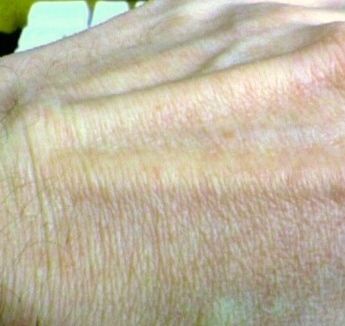
About 12 to 18 months after first catching this virus, more strange symptoms manifested: a fine, parchment-like wrinkling of the skin began appearing all over my body. This strange fine wrinkling is most prominent on the tops of the hands (see picture). The skin also shows a slight red blotchy quality. I am guessing that this wrinkling is the result of collagen or elastin damage under the skin, caused by my viral infection destroying these connective-tissues (further details given later). Although this skin wrinkling is a relatively mild symptom – and not everybody with this virus gets it – this rare phenomenon is mentioned in case it helps anyone to identify my virus. This wrinkling is not normal aging skin (more details later);Wrinkly Skin, Mid Dermal Elastolysis, Anhedonia it is definitely caused by the virus. The closest fit to my skin’s appearance I could find is a disease called Mid-Dermal Elastolysis. This odd skin damage caused by this virus is usually only noticeable in people older than 30 or thereabouts. Even for people 30 to 50 say, this odd parchment-like wrinkling is a slight and subtle symptom. After 2 or 3 years with this virus, the color of the skin on the upper chest area becomes a little pink, with the skin texture becoming slightly oily or waxy in feel.

Another symptom that manifested at this 12 to 18 month stage was weak legs (and loose hips), and joint looseness. I suspect that the virus is attacking the connective tissue (also called soft tissue) in the major joint ligaments. The ligament looseness is most prominent in the hip girdle and leg joints, and it results in a less than sure walking gait. To a much lesser extend, my shoulder joints and muscles also feel a little loose. But the main area of looseness is my hip girdle. The hip-leg joints feel spongy and lacking in the normal firmness, as if the ligaments have become slack. This hip-leg weakness is constant: it does NOT vary hour to hour, nor day to day. Differential diagnosis: in Generalized Anxiety Disorder (GAD), weak legs are a common symptom, but a variable one. That is, in GAD the legs are fine one minute, and the next they sudden get weak and can almost give way, due to nervous system fluctuations. But my case is NOT like GAD: my hip girdle and leg weakness is CONSTANT, not varied. And not that weak.

There is no loss of strength or spasm in the leg muscles either. Overall, this suggests that my joint laxity arises from connective tissue weakness in the ligaments, rather than caused by nerve or neuromuscular damage. In fact, it is possible that the wrinkly skin symptoms and the loose ligaments and weak legs symptoms are caused by the same mechanism: collagen or elastin connective-tissue destruction caused by the infection.

A slight joint pain sometimes appears (usually just in my knees); but there is no pain, spasm nor stiffness in the muscles themselves.

This virus generally seems to cause immune system weakening, and this results in secondary opportunistic infections often arising, for example: bad toothache, ear infections, eye styes, fungal skin infections, urinary-tract infections, etc (all requiring antibiotics or antimicrobials to clear). These infections never appeared before contracting this virus.

Furthermore, it seem that the virus itself, even years after first catching this virus, will occasional spontaneously cause an organ infection, especially the heart and its endothelial covering: this virus has caused acute pericarditis.

Summary: this virus is a systemic, respiratory, gastrointestinal and neurological virus, which persists chronically in the body, causes joint laxity, chronic fatigue, and seems to have the ability to enter the central nervous system and cause powerful and permanent mental state alterations such as anhedonia, generalized anxiety disorder, and depression; it also seems to weaken the immune system, resulting in an increase of other opportunistic (eg: bacterial and fungal) infections. The virus has a fast incubation period of less than 24 hours, with 8 hours being a typical time from first exposure to onset of initial fever, sore throat and/or vomiting symptoms. This rapid incubation has been observed in more than one person. The initial fever lasts for 1-2 days.

Other Less Common Symptoms: A whole cluster of other symptoms appear during this infection, including progressive loss of hearing: that is, a gradually increasing deafness in older people (probably sensorineural hearing loss); in younger people, a subtle loss of hearing acuity is noticed, meaning that it becomes a little more difficult to identifying environmental sounds, and more difficult to sensing their exact location; increased tinnitus; sense of balance becoming noticeably less acute; dizziness spells (vertigo); hoarse voice due to persistent throat soreness, (or possibly due to connective tissue damage in the larynx); chronic white tongue coating (called geographic tongue or migratory glossitis); red eyes; infection of the urethra; viral headache; eczema / psoriasis; large area of red greasy (almost waxy texture) skin on the chest, just below the neck; hair loss; cold hands and feet; slow wound healing; weight gain on stomach; kidney pains; joint pains (arthralgias); muscle cramps, especially in the calf muscles; sudden episodes of racing heart (tachycardia) and heart palpitations; acute pericarditis; aseptic (viral) meningitis; reduced attention and concentration; forgetting words, losing some of your vocabulary, suddenly having more difficulty in spelling words and remembering information; frequently selecting incorrect words whilst talking (and strangely, sometimes selecting a word which is incorrect, but from the same category as the right word – for example, saying “pun” when you meant to say “irony” – both are in the same category of literary devices). A very slight shortness of breath (dyspnea) is noticed after several years.

In older people, this virus can precipitate sudden heart attack-type pains, especially at the time when it is first caught, and may have caused actual heart attacks.

Some people report their alcohol tolerance becomes decreased after contracting this virus, in that you become a little more ill when you drink any; in addition, what you do drink has a less relaxing effect than normal. So the hangover is worse, and the soothing effect of alcohol is less. (Alcohol acts on the glutamate and GABA systems in the brain, and this lack of relaxation effect may indicate there is something amiss in these systems, as a result of this virus.)

Furthermore, this virus is not cleared from the body: it spreads throughout the body and central nervous system, remaining as a chronic, persistent and active infection. Although some of its symptoms improve, others symptoms seem to get worse. The mental state changes seem semi-permanent; the weak leg joints and skin wrinkling seem to get a little worse over time. A more comprehensive symptoms summary is given below.

As with many respiratory infections, once one person catches this virus, it will spread to most other members of their household. However, this happens slowly: it takes a year or more before everyone in the household catches this virus. So clearly the long-term contagiousness of this virus is moderately low. Nevertheless, in time, most of the household will have it, and will typically display either a chronically-congested nose with thick, viscous mucus, or a chronic sore throat (or both), plus many of the psychological symptoms such as fatigue, anxiety, and loss of motivation. The symptoms of weak legs and fine skin wrinkles tend to appear some time later. Generally, once an individual catches this bug, they are not quite themselves anymore. However, there is a range of individual responses to this virus: some people become badly depressed and distressed; others are more lucky, and their mental symptoms appear milder. Approximately a third of the people who catch this virus get the chronic sore throat, and about two-thirds get a chronic production of thick nasal mucus. Only say 10 – 20% suffer the more severe mental symptoms and personality change that I experienced; but everyone gets noticeably affected to some degree by depression, anxiety (or aggression), loss of short-term memory, loss of motivation, and loss of interest in life. This really is a misery virus.

None of the 10 or so medical professionals I have seen have yet identified this disease or the pathogen causing it. This infection is probably a virus (rather than a bacterial or fungal disease), because three separate bacterial cultures that my doctors conducted (one of which at a university hospital infectious disease center), showed negative results. However, some readers of this site have pointed out that bacterial microbes such as mycobacteria, actinomycetes and corynebacterium can create similar symptoms. These microbes often cannot be easily detected by a bacterial culture, and are resistant to many antibiotics, so testing to see if it is a bacterium by taking antibiotics may not be reliable.

But the strongest evidence that my pathogen is a virus comes from its incubation period, which I have precise data on: the incubation period is often as fast as 8 to 12 hours. This extremely rapid incubation has been observed on several occasions (when both the exact time of exposure to the pathogen, and the exact time of the appearance of its first symptoms are known). Few bacterial can incubate that fast, and the ones than can are easily detectable in a bacterial culture. Thus analysis of the incubation period suggests we are very likely dealing with a virus.

Nevertheless, since this virus has immuno-suppressive characteristics, it may allow other bacterial or fungal infections to co-exist, which will contribute to the symptoms and overall malaise.

Should anyone have the same symptoms themselves and wish to share their experience and circumstances, please leave a comment below (click here). The purpose of this web site is to find people in a similar situation, and to share information. Leaving your email is optional, and in any case, it will not be revealed.

Note: there are many causes of chronic sore throat; so your chronic sore throat is unlikely to caused by this virus, unless you have very similar symptoms. So for anyone with a sore throat for a few days: don’t panic, it is probably not this virus.


CHRONIC FATIGUE SYNDROME (MYALGIC ENCEPHALOMYELITIS)

DIAGNOSIS

In this section, we will look at what viruses might be causing my chronic sore throat and my various other symptoms, and consider whether this virus I have might be new. We will also see that the most likely diagnosis for the disease that I have developed from this virus is chronic fatigue syndrome (CFS).

Chronic fatigue syndrome is often caused by long-term infections of common viruses such as Coxsackie B virus, Epstein-Barr virus, human herpes 6 virus, parvovirus B19, parainfluenza virus 5, varicella zoster virus, borna disease virus and cytomegalovirus. In fact, it is not generally appreciated that all these common viruses are persistent. That is to say, once you catch such a virus, it remains in your body forever, but usually in an inactive (or mostly inactive) state.

However, in a small percentage of the population, these viruses stay active, and the infection continues indefinitely. It is in these susceptible people that chronic fatigue syndrome develops after catching one of these viruses. The full reasons for why certain people are more susceptible to these viruses are not known at this stage, but it is very likely that part of the susceptibility arises from the many microbes already living in a person’s body (if an individual’s existing viral load is already high, and they catch an additional virulent virus, their immune system may no longer be able to cope properly, and CFS develops). Indeed, it has been frequently noted that people who were always a little bit frail in health (presumably due to the existing microbes in their system) are more likely to develop CFS on contracting additional viruses.

Genetic factors are also known to be influential in who develops CFS and who does not. Dr Jonathan Kerr has shown that that 88 genes are abnormal in CFS patients, many of these genes often relating to the function of the immune system. This may also help explain why certain minority of people have greater susceptibility to viruses and, on contracting a CFS-causing virus, go on to develop CFS.

Around 0.2% to 2% of the population have chronic fatigue syndrome. Many people with severe cases of CFS are bed-bound. Others with less severe chronic fatigue syndrome are able to keep working, but struggle considerably. Even people just mildly afflicted with one or more these viruses will probably perform less than 100%, both mentally and physically. In fact, it is outrageous that such pernicious microbes are in common circulation in the general community. Insufficient effort has made to develop vaccines and antiviral drugs that would eradicate these damaging neurological viruses from the populace. Thus million of people suffer with chronic fatigue syndrome, because of this. Not only that, but there is increasing evidence that such viruses are responsible for calamities like nervous breakdowns, burnout at work, anxiety disorders, clinical depression, as well as numerous diseases like multiple sclerosis and diabetes. The impact these viruses have on the human species is enormous.

Note that Chronic Fatigue Syndrome (CFS) is also called Myalgic Encephalomyelitis (ME). It is sometimes written to include both names: CFS/ME. This disease condition is also called Chronic Fatigue and Immune Deficiency Syndrome (CFIDS).

In terms of symptoms, people with chronic fatigue syndrome frequently display: recurrent sore throat, deep fatigue, joint pains, muscle aches, stomach pain, digestive problems (as many CFS viruses live and replicate primarily in the gut), exercise intolerance, memory problems, depression, mood swings, sensitivity to light and sound, blurred vision, sleep disturbances (such as insomnia, oversleeping, sleep reversal – that is, sleeping all day and staying awake at night, restless leg syndrome), swollen lymph nodes, ligament looseness, and this list goes on and on, and nearly all of my own symptoms are on it.

Thus it is clear that diagnosis of chronic fatigue syndrome generally fits all my symptoms. However, the unusual skin-wrinkling symptoms that people get from this virus are not normally found in CFS, as far as I am aware. Therefore CFS may not be a complete diagnosis, since the virus I have is causing both chronic fatigue syndrome symptoms and skin wrinkles (for more info on the skin wrinkles, see below). Also the extreme anxiety symptoms this virus suddenly causes in certain people are unusual.

But for now, we will stick with the diagnosis of chronic fatigue syndrome.

SO WHAT VIRUS IS CAUSING ALL MY SYMPTOMS?

We now examine the characteristic symptoms of the above-listed viruses, and see if they match my own symptoms. We must use some educated detective work to help identify the culprit virus. This is necessary because blood tests for active viral infections in the body, though helpful, often do not provide definitive conclusions, so there is no foolproof way of getting answers here (though medical science is rapidly advancing in this area). Infectious disease specialists will thus tend to look at the full clinical picture of a patient and, using all information possible, home in on the truth. So we shall try to adopt this method as far as we can.

Unusually, I happen to know exact time I was exposed to this virus; so the fact that its first symptoms appeared 12 hours after this exposure, shows this virus has a very fast incubation period. This rapid incubation period was also noted in two other people who were infected by this virus.

Using this important incubation period information, we can rule out many viruses that have much longer incubation periods. There are several other characteristics of this virus I caught, and using this information as well, we shall try to identify the virus I contracted. The other significant characteristics are:-

My virus can cause a herpangina type sore throat (so it is a respiratory virus), stomach and bowel symptoms (gastrointestinal virus), systemic disease (spreads to different organs in the body), significant mental changes (it is a neurological virus), partial hearing loss and tinnitus, periodontal disease, has immune-suppressive properties, is communicable from person to person via saliva or nasal secretions, and can cause chronic fatigue syndrome.

Given this information, we will see in (the next section) that the virus I caught is most probably the Coxsackie B virus, and possibly the killer Coxsackie virus that has hit many countries around the world in the last few years.

However, be aware that other viruses can cause approximately similar symptoms. So if you have slightly different symptoms to me, one of the other viruses detailed below may be the culprit in your case.

ENTEROVIRUS (COXSACKIE B VIRUS)

As stated, coxsackievirus B is the most likely virus in my case. Here we explain why:

An initial symptom of my chronic sore throat virus is herpangina (an inflamed red throat at the back of the soft palette). In my case, the herpangina is without any pain, and without blisters, but with a cluster of papules (small raised pimples not producing puss) in the pharynx, which are more-or-less the same pinky color as the throat itself.

Herpangina is usually only caused by certain viruses of the enterovirus genus, namely Coxsackie A viruses, Coxsackie B viruses, and echoviruses (although sometimes also by the Epstein-Barr virus). Out of these various enteroviruses, Coxsackie B virus fits my symptoms particularly well, as it often causes upper respiratory tract infection, gastrointestinal symptoms, significant neurological disease, persistent long-term infection, and systemic spread throughout the body. The enteroviruses, which are part of the larger picornavirus family, are all easily passed from person-to-person via normal household contact, as they are spread by saliva and nasal secretions. This matches the repeatedly-observed way my virus spreads throughout households or workplaces, and to other social contacts.

Note that enterovirus herpangina normally has an incubation period of anything from 2 to 10 days, whereas this virus that I caught has a rapid incubation period of less than 24 hours, and I have seen my virus incubate in precisely 8 hours of contraction in one individual, which is a little faster than the typical enterovirus. Thus I speculate that the virus I caught might be a new strain or novel enterovirus which has an unusually rapid incubation period.

In fact, the Centers for Disease Control says that there may be a new more virulent strain of Coxsackie B1 virus in circulation. This is because there has been an increased level of coxsackievirus B1 infections in the United States, and these Coxsackie B1 infections have sometimes caused severe neonatal disease, as well as five baby deaths in 2007. Normally Coxsackie B infection is not fatal, so this mutated Coxsackie B1 is clearly something nasty.

COULD THIS NEWLY-MUTATED KILLER COXSACKIE B1 VIRUS BE THE CAUSE OF MY SYMPTOMS?.

Outbreaks of this killer Coxsackie Virus have been seen in countries such as Greece and Israel.

This killer Coxsackie virus seem to cause fatalities by inflammation of the heart, which then precipitates heart attacks. This links up with with new research on heart attacks, which indicates that they are often caused by infections. An infection with coxsackievirus B may cause severe heart disease.

In terms of the immune system suppression symptoms I have experienced: one species of enterovirus, namely Coxsackie B4 virus, has been shown to attack the natural killer cells of the immune system. This could explain the observed immunodeficiency, in that this coxsackievirus disabling of natural killer cells can allow secondary opportunistic infections to arise more easily in an individual. This also links in with the established fact that problems with natural killer cells are often observed in chronic fatigue syndrome patients.

In terms of my joint laxity and muscle weakness, this is mainly located in my hip girdle and and hip-leg joints (the lower proximal muscles). Note that proximal muscle weakness in general is the characteristic of the diseases of dermatomyositis and polymyositis (these two chronic inflammatory myopathy diseases have been linked to coxsackievirus B, as well as parvovirus B19 infections). Polymyositis generally affects the thighs and hips to begin with, but then progresses to all the proximal muscles (proximal muscles = the muscles in the central part of the body, from hips to shoulders).

Interestingly, lower proximal muscle weakness (hind limb weakness) was found in mice with polymyositis caused by the myopathic (muscle damaging) Tucson strain of coxsackievirus B1 (refs: 1, 2). Could this muscle-attacking stain of the coxsackievirus B1 (CVB1T) be the virus I caught? This polymyositis disease is caused by CD8 T cells attacking the muscle tissue. Polymyositis is an autoimmune condition, which is triggered usually by coxsackievirus B, HIV or human T-cell lymphotrophic virus type I (HTLV-I).

Some older people with my virus complain of partial hearing loss, increased tinnitus, and mild loss of balance, or even dizzy spells. This little cluster of symptoms is actually a well-known syndrome called Meniere’s disease. Clinical investigation has shown that coxsackie virus B5, influenza B virus and varicella zoster virus are common causes of these type of ear symptoms.

In general, enteroviruses (along with certain species of herpesviruses) are increasing implicated as a major cause of chronic fatigue syndrome, a condition which usually results from a persistent viral infection that is not cleared from the body by the immune system. There is substantial evidence for a persistent enterovirus infection causing CFS, particularly coxsackie B viruses (coxsackie viruses B1 and B4 are often the enterovirus species involved in CFS). Since my symptoms are typical of chronic fatigue syndrome, the finger points to a Coxsackie B virus.

NOTE: in chronic, low-level enterovirus infections, viral particles are usually not found in the blood or tissues. Up until recently, there was no explanation for this. It was a paradox. When the standard blood test for enterovirus (the Complement Fixation Test) was given to patients with chronic enterovirus infections, often no evidence for the virus would be detected in the blood. Yet an infection was ongoing, as RNA (genetic material) from the enterovirus would be found in the infected body tissues, as would proteins from this virus. This mystery may have finally cleared up in new research by Dr Nora Chapman (et al) which explains what is going on. This research shows that in chronic, low-level enterovirus infections, genetic changes occur to the virus, and a new form of enterovirus then emerges: the terminally-deleted enterovirus. This terminally-deleted form of the virus lives within human cells, rarely breaking out of these cells into the blood and tissues (as normal enterovirus always do). This special terminally-deleted form is also called a noncytopathic enterovirus (or sometimes a noncytolytic enterovirus).

The discovery of this noncytopathic, terminally-deleted form of enterovirus that lives inside human cells explains why, in a persistent, low-level infection, enteroviruses are rarely found in the blood.

Taking a enterovirus Complement Fixation Test (CFT) to see if an enterovirus is causing your chronic fatigue syndrome symptoms is NOT the way to go, because a positive or negative enterovirus CFT result says nothing about whether or not you have a long-term enterovirus infection in your body. The enterovirus CFT test cannot detect chronic low-level enterovirus infections so this CFT test is a waste of time in the case of chronic fatigue syndrome.

Similarly, studies have found IgG antibodies to coxsackievirus infections in around 55% of the general population (ref: here), and chronic fatigue syndrome patients as a group do not show a significantly higher incidence of coxsackievirus IgG antibodies in their blood than do the general population (even though you might expect them too, since enterovirus is a major cause of chronic fatigue syndrome). Again, if chronic enterovirus infections are largely based on the noncytopathic form of the virus that does not break out of human cells, and so is generally not found in the blood, this may explain this.

This noncytopathic enterovirus is a very important discovery, since noncytopathic enteroviruses will quite probably turn out to be the casual basis of chronic fatigue syndrome (in the enteroviral subset of CFS, of course).

The most reliable way of detecting long-term enterovirus infection is through taking a tissue sample (stomach biopsy), and testing this tissue for the presence of enteroviral VP1 capsid protein. Dr John Chia (who is an infectious disease specialist with particular research interests in CFS and enteroviruses) has pioneered this approach and, for the first time, is consistently able to detect enterovirus in the stomach tissues of the subset of CFS patients whose condition is caused by an enterovirus. This test can detect all types of enterovirus.

In terms of cures and treatments, Dr John Chia has employed double interferon therapy for CFS patients whose condition is caused by enterovirus, and has put their disease into remission. The best results were obtained with the alpha and delta interferon combination. Unfortunately, around half the patients relapse after about a year, so this therapy is not (yet) a permanent cure for everybody.

A pharmaceutical drug called Pleconaril which can treat enteroviruses is in the pipeline: read a breath of hope. Pleconaril (Schering-Plough Corp.) is currently in phase III clinical trials, and should be available soon. However, now that it appears that noncytopathic enteroviruses live within cells in long-term enteroviral infection, and given that Pleconaril works by preventing enteroviruses from attaching to (and entering) human cells in the first place, it is possible that Pleconaril will not be a very effective antiviral for such long-term enterovirus infections.

IN SUMMARY: just by my clinical picture, the virus which best fits my symptoms is one of the enteroviruses, probably a coxsackie B virus. Dr John Chia has very generously had a look at this web site, and said he thinks my symptoms are caused by a chronic enterovirus infection, and says that the other viruses (listed below) do not really fit my symptoms.

However these viruses listed below, such as Epstein-Barr virus or HHV-6, can produce approximately similar symptoms to mine, and are a useful reference for other people coming to this site who may have caught a different virus to mine. (In some cases, however, CFS may be caused by more than one virus, as well as bacteria, acting together).

EPSTEIN-BARR VIRUS

Epstein Barr virus (EBV), also called HHV-4, is a member of the herpes family. EBV can also produce a herpangina type of sore throat – which was my very first symptom. Most people know Epstein Barr as the virus that causes mononucleosis. However, EBV has long been suspected in playing a causal role in chronic fatigue syndrome. This herpes virus can also create an immuno-compromised state in an individual. EBV persists for life in infected individuals, even people with perfect immune systems. Epstein-Barr virus (and cytomegalovirus also) is implicated in the oral health condition periodontitis, in which the gums are inflamed and receding. (I fast developed periodontitis from the virus I caught). Periodontitis gum disease is in part due to proliferating oral bacteria; I assume that these bacteria are increasing as a result of a slight immunodeficiency. Periodontitis is also associated with connective tissue dissolving enzymes (which we address later). Incidentally, gingivitis, which is where the gums are inflamed, but not receding, is associated with herpes simplex and varicella-zoster viruses. However, I have the more severe dental condition of periodontitis, not gingivitis.

Epstein-Barr can produce significant neurological symptoms. Thus this virus does fit many of my symptoms. So could I have a virulent strain of Epstein-Barr virus? One difficulty with this hypothesis is that the incubation period of EBV is 4 to 6 weeks, whereas my chronic sore throat virus incubates in less than 24 hours, so it does not fit the observations, unless there is some new Epstein-Barr serotype in circulation that has this very rapid incubation period of less than 24 hours. There are in fact two known strains of Epstein-Barr, type A and type B (also called EBV-1 and EBV-2), but neither of these have this rapid incubation.

Around 90% of the world population have the Epstein-Barr virus in their systems.

At Stanford University, Dr Jose Montoya has successfully used the antiviral drugs Valganciclovir and Ganciclovir to treat Epstein-Barr virus infections; these drugs are, however, not without risks.

The drug kutapressin (Nexavir) has been very helpful for patients with chronic fatigue syndrome caused by Epstein-Barr virus. Dr Kenny de Meirleir at Red Labs (located in Belgium and the USA) uses Kutapressin for treating CFS. Dr Derek Enlander (located in New York) also treats CFS with kutapressin.

HUMAN HERPES SIX VIRAL INFECTION

Human herpes 6 virus (HHV-6), especially the more severe A-variant, called HHV-6A, can induce immunodeficiency, neurological symptoms and chronic fatigue syndrome. HHV-6A inhibits immune function by blocking the growth of dendritic cells and interleukin-12 production. Dendritic cells help coordinate the immune response in their vicinity. There has been some speculation that HHV-6A is partly responsible for the immune deficiency found in HIV/AIDS. Dr. Robert Gallo, the co-discoverer of the HIV virus, believes that, as well as HIV, HHV-6A also plays a role in the development of AIDS. Most lab tests for HHV-6 cannot distinguish between the A-variant and the B-variant. One test that can distinguish HHV-6A from HHV-6B is the nested PCR, and is available here. More info on testing of HHV-6A can be found here and here.

The incubation period for HHV-6B is 5 to 15 days (much slower than the 1 day incubation period of the virus I contracted). The incubation period for HHV-6A is not really known, but it may be similar to that of HHV-6B.

In the US, 77 percent of children are infected with HHV-6 variant B by the age of 2 years (ref: here). In adults, the prevalence of HHV-6B exceeds 90 percent of the population. By comparison, HHV-6 variant A is much rarer: HHV-6A is found in probably less than 3 percent of the US population (see here for relative percentages of the A and B variants of HHV-6). Out of the two, HHV-6A is the one that attacks the brain.

For chronic fatigue syndrome due to HHV-6, treatment success has recently been achieved using the antiviral drug Valganciclovir. The drug kutapressin (Nexavir) has also been helpful for patients with chronic fatigue syndrome caused by the human herpes six virus.

PARVOVIRUS B19

Parvovirus B19 (recently renamed erythrovirus B19) is known to cause a persistent bodily infection as well as connective tissue disease. It has long been suspected as a possible cause of myalgic encephalomyelitis. Parvovirus B19 can also cause carpal tunnel syndrome, rheumatoid arthritis, vasculitis, Raynaud’s disease and anemia. In my case, I think parvovirus may be ruled out on the basis that it has an incubation period of 4 to 14 days, which is too slow: the virus I have shows its symptoms within 24 hours of first contracting it.

By adulthood, 50% of the US population have parvovirus B19 in their system.

For chronic fatigue syndrome caused by parvovirus B19, Intravenous Immunoglobulin (IVIG) treatment has worked in some cases.

PARAINFLUENZA VIRUS 5

Human parainfluenza virus 5 (PIV-5 or HPIV-5), has recently been implicated as a causal factor in chronic fatigue syndrome, fibromyalgia, and multiple sclerosis. Parainfluenza virus 5 (also called Simian Virus 5) targets and destroys the STAT-1 protein. The STAT family of proteins form a vital part of the human immune system, and insufficient STAT-1 creates a diminished immune response, leaving an individual unable to effectively fight viral and bacterial infections. Certainly many CFS patients have STAT-1 absent in their blood, and parainfluenza virus 5 is the strongest viral candidate for explaining this absence.

Could my array of symptoms result from a parainfluenza virus 5 infection? Let us first examine the incubation period. Not much data is yet available for parainfluenza virus 5. However, parainfluenza viruses 1 to 4, which are common cold viruses from the same paramyxovirus family as parainfluenza virus 5, generally have an incubation period in the range of 1 to 7 days. Assuming that parainfluenza virus 5 has a similar incubation period, then this approximately fits with the observed less than 1 day incubation period of my virus. So in this respect, parainfluenza virus 5 could well be the virus that I caught.

Furthermore, parainfluenza viruses 1 and 3 can cause chronic disease, such as chronic rhinitis and persistent loss of smell; these are symptoms I definitely experienced. Perhaps parainfluenza virus 5 might share these characteristics? All parainfluenza viruses are able to enter the brain and the nervous system. Parainfluenza virus 5 has been frequently found in the brain of multiple sclerosis patients, though parainfluenza viruses in general do not seem to be associated with causing significant mental state changes. Nevertheless, if parainfluenza virus 5 is significantly weakening my immune system, secondary infections with other viruses already in my body, such as HHV-6, EBV or cytomegalovirus, may then arise and cause the mental symptoms I experienced. Science is just beginning to examine disease conditions caused by co-infections: that is, where two or more simultaneously-acting viruses are responsible for the pathogenesis of a disease.

Many viruses in the paramyxovirus family can be controlled with neuraminidase inhibitor drugs such as oseltamivir (Tamiflu) and zanamivir (Relenza). Natural neuraminidase inhibitors include kelp and resveratrol. So it may be worth trying out neuraminidase inhibitors to see if they have any effect on a suspected parainfluenza virus 5 infection.

OTHER CHRONIC FATIGUE SYNDROME VIRUSES

Neurovirulent Influenza A virus attacks brains regions such as the substantia nigra (a brain area linked to motivation), the habenular, thalamus, hypothalamus and the brainstem. Influenza A can occasionally remain as a mild persistent long-term infection. There are 10 human serotypes of influenza A, including: avian influenza (bird flu) H5N1, which may cause a human pandemic in the future; and H9N2, which may be infecting the human population already, since its symptoms are much milder and so likely to go unreported. Influenza has an incubation period in the range of 1 to 7 days, but is typically 2 to 3 days.

Varicella zoster virus (the virus which causes chickenpox) can cause chronic fatigue syndrome, but probably not if you have already had chickenpox as a child.

Then there is Borna disease virus (BDV) to consider. The Borna virus causes powerful depression and anhedonia, and is associated with chronic fatigue syndrome symptoms; however Borna is a zoonotic virus, and it cannot pass from person-to-person, whereas the virus I caught can.

Cytomegalovirus is another virus that can create chronic fatigue syndrome symptoms. Cytomegalovirus (CMV) can pass from person-to-person via saliva (as well as via urine, semen, cervical secretions, blood, and breast milk). However, cytomegalovirus has a fairly long incubation time, with a 3 week incubation being the shortest it can achieve. Since my virus can have an incubation time of less than 12 hours, we can safely rule out the possibility that my virus is the cytomegalovirus. Up to 20 percent of US children are infected with cytomegalovirus before they reach puberty, and more than 50% of the US adult population have cytomegalovirus in their bodies. Note that cytomegalovirus is often an opportunistic virus: if you have cytomegalovirus lurking your system already, although the immune system keeps it in check normally, the immune-suppressing actions of our chronic sore throat virus may allow any latent cytomegalovirus in your body to re-activate and start causing trouble.

AN EMERGING NEW RESPIRATORY VIRUS?

In the last ten years, many new human respiratory viruses have been discovered. These include: human metapneumovirus virus (hMPV), mimivirus, parvovirus 4 and 5 (PARV4, PARV5), human bocavirus (HBoV), WU virus and KI virus (both polyomaviruses), Torque teno virus (TT virus), melaka virus, mapuera virus, menangle virus, New Haven coronavirus, coronavirus NL63, coronavirus HKU1, Saffold cardiovirus (SAFV), Dekavirus (these last two are new human picornaviridae), and Ljungan virus. The clinical signs, symptoms and pathogenesis for most of these are not fully known at this stage. Could my virus be an emerging infectious disease within this list, or an as yet unknown and unnamed emerging viral pathogen?

BACTERIAL CAUSES OF CHRONIC FATIGUE SYNDROME

Bacteria such as Chlamydia pneumoniae and Coxiella burnetii (which causes Q fever) are responsible for some cases of chronic fatigue syndrome. These can be treated with antibiotics. The incubation period of Chlamydia pneumoniae is around 3 to 4 weeks; the incubation period of Coxiella burnetii 2 to 3 weeks; both of these are to slow to be my pathogen, which has a much faster incubation period of around 24 hours.

READING MORE

For more information on the viruses introduced above, see here. Should any reader have any suggestions regarding the identity of this infectious pathogen, or have the same symptoms themselves and wish to share their experience, please leave a comment below.

The next section is a little more complex, and so you may wish to skip straight to reading the comments. Alternatively, you may be interested in jumping to the treatments page.


FURTHER OBSERVATIONS AND HYPOTHESES

CONNECTIVE-TISSUE DISSOLVING ENZYMES

This section examines the strange symptoms of fine skin wrinkles and loose ligaments that my virus causes in many people (especially those over 35).

Skin wrinkles and loose ligaments are found in the following known skin diseases: mid-dermal elastolysis, wrinkly skin syndrome, acquired cutis laxa, Ehlers-Danlos syndrome, joint hypermobility syndrome and pseudoxanthoma elasticum. These skin diseases are also frequently associated with psychological changes, cognitive decline and dementia. Out of the above skin disorders, the closest fit to my skin’s appearance is the skin disease mid-dermal elastolysis, which is characterized by fine wrinkling of skin, as well as mild blotchy redness on the skin. Mid-dermal elastolysis is due to loss of the elastic fibers in the dermal tissue.

My hypothesis is that my skin’s appearance is also due to loss of elastic fibers.

And I believe that my viral infection is generating connective-tissue degrading enzymes (also called extracellular matrix-degrading enzymes) that are the direct cause of the loss of elastic fibers in my skin and ligaments. It is the loss of elastin which then leads to this strange finely-wrinkled skin and loose, weak ligaments (weak legs and hips).

Connective-tissue degrading enzymes are naturally generated in the body, and also generated by various microbes. These enzymes are designed to dissolve the body’s connective tissue. Connective tissues include elastin, collagen and gelatin, and are found in the tendons, ligaments, the skin, and other places.

Many microbes – viruses, bacteria and parasites – generate connective tissue-degrading enzymes specifically to eat their way through body tissue, allowing these microbes spread themselves easily throughout the body. (In this context, these connective-tissue dissolving enzymes are called virulence factors. Incidentally, these virulence factors generated by my infection may help explain why the incubation period of this virus is so unusually fast.)

In addition, the human immune system itself can secrete these connective tissue-destroying enzymes when fighting pathogens (this presents no problem in the short term, but a chronic infection can produce constant high levels of these enzymes, which can cause damage to the body).

At this time, it is not clear whether the source of the connective tissue-destroying enzymes that are damaging my skin and ligaments is coming from the action of the virus, or from the response of the immune system (or even from another source). However, I am certain that it is the constant high level of these connective tissue-degrading enzymes is responsible for creating a wrinkled skin appearance and excessive joint laxity.

There are in fact many types of connective tissue-destroying enzyme. However, as we shall see, the two most likely suspects for causing the damage are: neutrophil elastase, and MMP-9 (gelatinase B).

But we shall briefly survey the other connective tissue-destroying enzymes, which include the matrix metalloproteinase (MMP) family. The matrix metalloproteinases are named MMP-1, MMP-2, MMP-3, etc. Each such matrix metalloproteinase can dissolve different types of connective tissue. For example, MMP-1 can dissolve collagen. MMP-1 is found at high levels in smokers, and is thought to be responsible for the collagen breakdown that creates the particular type of wrinkles often seen on long-term smokers’ faces. Other very common extracellular matrix-degrading enzymes are neutrophil elastase (also called leukocyte elastase), which dissolves elastin, and hyaluronidase

Elastin is a very important structural component of skin, ligaments and tendons. It usually exists in the form of elastic fibers, which provides taught strength and flexibility. The enzymes capable of destroying elastin are: MMP-2 (gelatinase A), MMP-9 (gelatinase B) and MMP-12 (macrophage elastase, or metalloelastase). In addition, neutrophil elastase (leukocyte elastase, or elastase 2) can destroy elastin. So any of these could be eating my elastin.

However, research studies have shown that neutrophil elastase is often abnormally high in chronic fatigue syndrome patients, so this must be a prime suspect. Chronic fatigue syndrome patients frequently suffer excessive joint laxity, so this ties up with their excess neutrophil elastase. Note that neutrophil elastase has also been implicated in the initial destruction of the periodontal ligament, which helps instigate periodontal disease (in addition to the gum-damaging action of oral bacteria, which have proliferated probably as a result of the immune-suppressive effects of my virus). This may provided an explanation of the periodontal problems I have experienced as a result of my viral infection. Other enzymes, however, are also implicated in periodontal disease, notably MMP-9.

As mentioned above, the skin condition that most closely resembles the wrinkles I have is called mid-dermal elastolysis (MDE). In mid-dermal elastolysis, these is a loss of elastin in the skin, caused by high levels of the elastin dissolving enzyme MMP-9 in these patients.

Interestingly, in MDE, fibroblast-like cells express high levels of MMP-9. Now, it just so happens that coxsackievirus B has an affinity for infecting fibroblast cells. So it is possible that in my case, coxsackievirus-damaged fibroblasts may be pumping out lots of MMP-9 and/or elastase, thereby leading to the observed damage to the skin’s elastin / collagen?

Memory Problems and Dementia

Another feature of my infection is mental degradation, with my working memory rapidly disintegrating. Now, apart from the virus directly infecting and destroying brain cells, note also that some matrix metalloproteinases, namely MMP-1, MMP-2, MMP-9, are actually neurotoxic. This is possibly another way that an infection can damage the central nervous system, via the neurotoxic effects of its MMP (and possibly other) metabolites. In fact, these neurotoxic MMPs have been implicated as causal factors in many types of dementia. Interestingly, dementia is a symptom of some skin disorders. For example, in cutis laxa (a disease similar to wrinkly skin syndrome), in which there is a measured tissue increase in MMP-1 and MMP-9 levels in the body, dementia is common.

HIV/AIDS-related dementia may also be caused by matrix-metalloproteinases: in HIV-infected individuals, high levels of MMP-1 and MMP-9 are measured. In systemic lupus erythematosus, high levels of MMP-9 get induced by the pro-inflammatory cytokines that abound in lupus, and this MMP-9 is thought responsible for the brain damage often found in lupus.

MMPs are implicated as causal factors of brain damage in a wide set of diseases, such as stroke, multiple sclerosis, Alzheimer’s disease, vascular dementia (multi-infarct dementia), and many others.

MMP Other Name Neuro-
toxic
CFS Cutis
laxa
MDE Smoker HIV
MMP-1 Interstitial collagenase Yes - High - High High
MMP-2 Gelatinase-A Yes - - - - -
MMP-9 Gelatinase-B Yes - High High - High
- Neutrophil elastase - High - High - -

Studies in periodontal gum disease (which my virus has rapidly initiated) suggest that the gum tissue is eaten away by the action of matrix metalloproteinases. However, different studies have pointed at different culprit MMPs, including: MMP-2, MMP-3, MMP-8, MMP-9, MMP-13, and neutrophil elastase. I do not know which MMPs are responsible for my receding gum line. There are various drugs and substances which are inhibitors of matrix metalloproteinases; these substances can been taken to help prevent MMPs eating away the gums. For example, low dose doxycycline (sold as “Periostat”) can help stop MMP-8 and MMP-9.

Interestingly, MMP-9 is actually expressed by neurons themselves in the hippocampus of the adult brain. Here in the hippocampus, MMP-9 seems to be involved in the process of storing memories in the brain, dissolving and remodeling the synaptic connections between neurons. This use of MMP-9 by the brain is, of course, performed delicately, deploying MMP-9 only at the appropriate locality, to make precise and specific changes to the brain’s synaptic connections, in order to lay down memory information. So perhaps one may speculate that excessive quantities of MMP-9 gushing around the brain will indiscriminately dissolve synapses, which will obviously cause havoc to the brain’s memory processes.

This is why, I suspect, the memory and dementia problems I have experienced from my viral infection may well be due to an excessive level of MMP-9 gushing around in the body, this abnormally high level of MMP-9 interfering with the delicate use of MMP-9 in the brain. This flood of MMP-9 may be indiscriminately dissolving my synapses. This is just a hypotheses at this stage.

This MMP-9 hypothesis can explain a lot of observations: all the skin symptoms, memory problems, dementia, periodontal receding gum problems might all be primarily caused by one factor: high levels of circulating MMP-9.

The question is, what can be done about this? This is not easy, since there is some evidence that MMP-9 plays a vital role in the fight against infection, and therefore taking MMP-9 inhibitors may make things worse (this is at least the case with the coxsackie B3 virus cardiac myopathy: studies have have shown that using MMP-9 inhibitors here actually made the infection worse). Not only that, but MMP-9 inhibitors may possibly alter the normal expression of MMP-9 required by the brain during the memory recording process (presumably, depending on whether they can penetrate though the blood-brain barrier). So I guess proper understanding of the roles and processes of MMP-9 is required.

However, this general approach of trying to reduce MMP-9 and/or neutrophil elastase levels could be an good strategy for preventing central nervous system damage that results from toxic metabolites created by this chronic virus infection.

Note: Epstein Barr virus infection is associated with increased expression of MMP-9. Herpes simplex infection can generate matrix metalloproteinase 9 also.

High levels of MMP-9 are also found in coxsackie B3 myocarditis, and coxsackievirus B4-induced pancreatitis. In the coxsackievirus pancreatitis, the source of the MMP-9 is the macrophages and neutrophils (Ref: 1).


SUMMARY CHARACTERISTICS OF THIS VIRUS

CLINICAL SIGNS AND SYMPTOMS

The clinical manifestations listed below have been collated by my personal observation of myself and at least 15 other people who also caught this same chronic sore throat virus. This set of people observed includes all ages, and both sexes.

✔ Virus Symptoms Overview

This virus is an respiratory (upper respiratory more than lower), gastrointestinal and neurological virus, which spreads systemically throughout the body, and persists chronically, causing weak legs, fine-textured skin wrinkles across the body, and all the characteristic symptoms of chronic fatigue syndrome. When this virus enters the central nervous system it causes powerful and permanent mental state alterations such as anhedonia, generalized anxiety disorder, depression, memory and word-recall problems. This virus also seems to weaken the immune system, resulting in an increase of other opportunistic (bacterial, fungal and other viral) infections.

✔ Mode of Transmission

The way the virus enters the body.

Transmitted person-to-person, probably via saliva and/or nasal secretions. The virus will transmit to most members of a household or office within a year or two, if one member is infected, particularly if that person suffers a persistent sore throat and/or persistent nasal mucus. The fact that transmission is not that fast (compared to a cold for example) suggests that the viral particles do not survive long in the environment. It has been noted that virus transmission usually occurs via sharing food or drinks on the same table, or by intimate contact such as kissing. There may also be fecal-oral transmission, given that this virus replicates in the intestines, but I suspect its main route of human-to-human transmission of this virus is through respiratory secretions.

✔ Incubation Period

The time between catching the virus and the arrival of its first symptoms.

The incubation period is VERY fast: can be as fast as 8 hours (observed using a reliable methodology). This very rapid incubation should be a good clue to the identity of this virus.

✔ Prodrome

The nature of initial symptoms at the beginning of the infection.

This viral infection usually starts in one of four ways:-

(1) A sore throat initially located at the back of the soft palette, just on one side (unilateral), on the palatoglossal arch (towards where this arch meets the base of the tongue, rather than at the uvula end of this arch). The infection also develops symmetrically in the very back of the throat (pharynx), and to a lesser degree in the upper esophagus. Inspection of the pharynx shows lots of pink papules (small raised pimples not producing puss), but these raised papules (which are slightly elongated rather than round, say 2mm by 1mm in size), are barely discernible, since they are the same color as the surrounding skin. There are no papules or any other types of spot on the soft palette itself, just red inflammation. There is a mild dry cough with little sputum. The throat is sore, but with no pain, and very little fever. This throat infection runs for many months before it begins to subside. However it never fully disappears, and usually remains as a chronic sore throat and/or with constant nasal mucus production (although the sore throat becomes a more subdued after a few years).

(2) Alternatively, the infection can first begin as a gastric upset, with vomiting and diarrhea (in other words, it begins as a viral gastroenteritis or “stomach flu”). In the case of this stomach upset type of prodrome, there is a fever, which lasts for one or two days (unfortunately the fever temperature has not been measured; but it is not unduly high). There are NO signs of skin rash. The only skin change apparent at this incubation stage is a slight red flushing, presumed due just to the patient’s temperature.

(3) Sometimes the infection starts with a cluster of lesions and scabs surrounding the facial lips, these lesions looking like large cold sores. In this case, there is also a significant swelling of the lymph nodes in the lower jaw and neck, these swollen lymph nodes easing off after a week or two, as the crusted lesions clear up (these lesions may just be a flare up of pre-existing herpes simplex, as a result of the immunocompromising actions of the chronic sore throat virus). No other prodrome sequences have been noted. NOTE: when the infection begins as a sore throat, a (milder) gastric upset can appear months later. Similarly, when the infection begins as a gastric upset, sore throat can appear weeks later. The virus does not stay localized, it usually spreads systemically.

(4) Very occasionally, this infection can start with just with a viral headache (which can be very intense and can last for two or three days), but no other symptoms (at least initially) other than generally feeling under the weather.

✔ Period of Communicability

The time period during which an infected person may infect others.

The period of communicability is the time period that an infected person is able to transmit their virus to others. For example: in the case of the common cold virus (rhinovirus), this period is the first few days of infection, after which, the body is in recovery from the fever, and the cold virus can no longer be transmitted to others. However, in the case of this chronic sore throat virus, the period of communicability lasts indefinitely (or at least many years). People with this virus who have a chronic sore throat or constant nasal secretions (which are common symptoms) are able to transmit this virus years after their initial infection prodrome, probably indefinitely, via the constant source of viral particles shed from the saliva in the mouth and/or from the persistent nasal mucus discharge. People who catch this virus thus often become long-term carriers, able to infect others.

The persistent nasal discharge is very characteristic: the constant stuffy nose contains thick, viscous, congested mucus build up. Blowing your nose with a tissue to clear this mucus build-up is necessary every hour or so, and requires a very strong and long blow of the nose to clear out the viscous thick mucus. Once begun, this thick nasal mucus persist permanently, even after many years, with no sign of remission. Exactly the same is true for the sore throat, which persists permanently, but often becoming more subdued in time. NOTE: some people can have the chronic runny nose without the chronic sore throat, and vice versa. Others have both, and other people have neither. Sometimes there is a recurrent sore throat, where the throat will clear up for a day, but then quickly return. These constant nasopharyngeal symptoms are characteristic, and make the period of communicability indefinitely long. Some approximate statistics: about 70% of people with this virus display a chronic stuffy / runny nose, and about 30% get the chronic sore throat.

✔ Contagiousness

How easily the virus passes to other people (also called transmission rate).

Even though this virus has an indefinitely long period of communicability (as a result of its chronic respiratory infection) and, even though its incubation period is extremely rapid, by contrast, this virus is not highly contagious. Its person-to-person transmission rate is in fact relatively low. This can be easily deduced from the observation that during normal household contact, this virus can take a year or two to pass to all members of the household.

One way this virus can pass to a person outside the household is when meeting an acquaintance for say lunch or dinner, and having lots of animated conversation whilst eating on the same table. I have noticed that this tends to pass on the virus. This is almost certainly from oral ejections of tiny globules of spittle that naturally happens during laughing and talking. This spittle may land on the table on other person’s food or drink, and then get eaten. Intimate or deep kissing is another way this virus is quite easily transmitted, if the infected person has the chronic nasopharyngeal infection.

NOTE: normally when we refer to the contagiousness of an infection, this is assumed to be during the fever period, when the infection is at its maximum. After this fever period (in self-limiting viral infections) the virus is close to being cleared from the body, and is thus no longer contagious. However, this present virus is not self-limiting, so after its initial fever period, the infection subsides, but the virus is not cleared from the body, and it continues persistently at a lower level of fierceness. It has been repeatedly observed that this “chronic sore throat virus” virus can be transmitted to other people long after the fever period has ended: that is to say, this virus remains mildly but permanently contagious during the low-level infection stage (which lasts indefinitely). So when we classify this virus as only moderately contagious, we refer not to contagiousness during its initial fever period, but its contagiousness during its persistent low level infection stage, in the months and years after the initial fever. Quite probably, the level of contagiousness during the initial fever is much higher.

Thus in summary: this virus has a fever period contagiousness that is probably quite high; and a long term contagiousness that is only moderate.

✔ Mental State Changes

About 2 months after the initial prodrome, powerful mental state changes begin (depression, fatigue, apathy, loss of motivation, anhedonia, dysthymia, athymhormia, social withdrawal, a sense of sleepiness, mild dementia, some memory problems, loss of organizational capabilities). In some people, uncharacteristic outbursts of aggression appear. The severity of the mental state changes varies considerably from person to person: some people are badly affected, other just minimally affected. What is clear is that the mental symptoms, whilst they do improve a little, linger permanently.

✔ Pins and Needles

About 4 months after the initial prodrome, a “pins and needles” sensation (paresthesia) appears in some people. This tends to be more in the legs, but will often manifest throughout the whole body. Some people say these pins and needles sensations are located just under the skin; other people say that they are in their muscles.

✔ Receding Gums: Periodontal Disease

Also at 4 months, receding gums and a rapid sudden onset of periodontal disease arises in many people. Dental plaque formation and deposition significantly increases. There may even be new dental carries suddenly appearing, even for people with excellent oral hygiene habits.

✔ Skin Wrinkling

About 12 to 18 months after the initial prodrome, the first signs of fine skin wrinkling are noticed. This closely-spaced wrinkling has a texture reminiscent of parchment paper. These premature skin aging wrinkles start to appear at first on the top of the hands, but the whole body is soon involved. The wrinkled skin produced by this virus looks different in appearance to the look of normal skin aging. For one thing, the viral wrinkles are much finer than normal wrinkles, with this unusual parchment-like appearance. They are not localized on the body, but rather form a consistent uniform fine texture across the body. Also, as we know, normal skin aging happens quite slowly – in normal aging, significant changes in skin appearance are noticeable as the decades go by, not as a year goes by. By contrast, the aging skin process that arises from catching this virus manifests more rapidly, with significant changes noticeable within a year or two. The degree of wrinkling this virus causes varies from person to person. Older people (55+) have a greater, and a more rapid increase in body wrinkles, and exhibit slightly deeper wrinkle furrows. Younger people (30 to 55 years) have slightly more shallow furrows. In both cases, however, the wrinkles have this characteristic very fine texture, with parchment-like appearance that are distinct from normal aging wrinkles. People under about 30 or so will tend not to show any of these wrinkles, presumably because their younger skin is more robust in countering the skin-damaging effect of this virus.

✔ Weak Legs and Hip Joint Laxity

Also at 12 to 18 months, the first signs of hip joint weakness and looseness appear. The joint laxity and muscle weakness is primarily located in the all the proximal muscles (the muscles in, or closest to, the core of the body, such as hip girdle, back, abdomen, chest and shoulders), but the weakness is far more noticeable in the lower proximal muscles (the hip girdle and hip-leg joints) rather than any other proximal muscle. Proximal muscle weakness in general is the characteristic of the diseases of dermatomyositis and polymyositis (these two chronic inflammatory myopathy diseases have been linked to coxsackievirus B / enterovirus, and parvovirus B19 infections). Interestingly, lower proximal muscle weakness (hind limb weakness) in particular was found in mice with polymyositis caused by the Tucson strain of coxsackievirus B1 (Refs: 1, 2).


hit counter